Golf Grip Size Changes Hand Action, but a Home Measurement Only Sets the Starting Point
On a garage mat, a returning golfer holds a used iron that feels wrong and faces a practical choice: blame the grip size, replace a worn grip, or investigate an undocumented installation before paying to regrip the entire set.
A golf grip sizing chart is a starting point, not a final fitting
A golf grip sizing chart should identify a candidate size, not authorize an immediate full-set regrip. Home measurements cannot account for wear, the shaft beneath the grip, added tape, or personal comfort.
How should a golfer measure a hand for grip size at home?
- Place the hand open and relaxed on a flat surface, with the fingers together but not stretched.
- Use a rigid ruler to measure from the main wrist crease to the tip of the longest finger.
- Measure both hands and record the results rather than rounding toward a preferred category.
- Compare the measurement with the golf grip fitting chart for the specific grip maker and model under consideration.
- Compare the result with normal glove size. If glove size and hand length point toward different categories, test both adjacent candidates on one club.
A golf grip measurement chart cannot account for finger mobility, arthritis, hand pain, grip pressure, texture, firmness, or taper. On the lesson tee, one golfer may relax with a fuller grip while another feels better face awareness with a slimmer build. Neither response guarantees a particular ball flight.
Why can two golfers with the same hand measurement prefer different grip sizes?
Hands with the same overall length can have different palm widths, finger lengths, mobility, and sensitivity. Before rejecting the chart result, inspect the used grips because glazing, hardening, and worn thumb areas can make a suitable diameter feel completely wrong.
Used golf grips must be checked for wear before they are judged too small or too large
A used grip can feel incorrectly sized when wear, contamination, poor installation, or a mismatched model is the real problem. Inspect condition and consistency before comparing diameter.
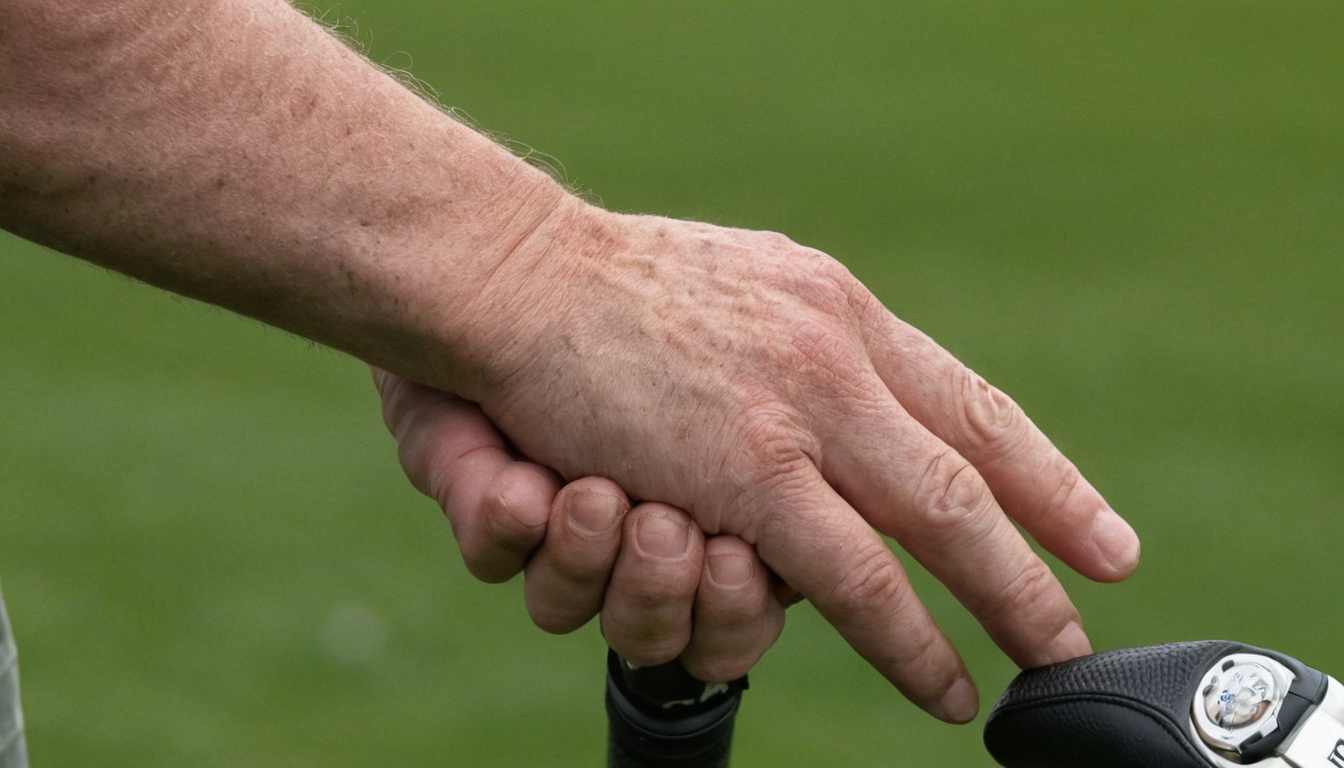
Used golf grips must be checked for wear before they are judged too small or too large shown with practical context cues.
What signs show that a used golf grip is worn rather than incorrectly sized?
A worn grip often makes a golfer squeeze harder to keep the club secure. That extra pressure changes comfort and hand action, which can make an otherwise suitable diameter feel too small, too firm, or difficult to control.
- Slick or glazed surface: Look for shiny areas where the original texture has been polished smooth, especially beneath the thumbs and heel pads.
- Hardening: Compare the grip with a newer example if possible. Rubber that feels rigid or brittle will not regain its original feel through cleaning.
- Cracks or splits: Inspect the underside, grip mouth, and end cap. A split, damaged cap, or exposed shaft calls for replacement.
- Looseness: Twist gently without forcing the material. Movement between the grip and shaft suggests an installation failure.
- Material damage: Frayed cord, peeling outer material, or separation within a hybrid grip indicates physical wear rather than a sizing error.
Clean one structurally sound grip according to the grip maker’s care instructions, then let it dry before reassessing traction. Cleaning may remove dirt and skin oils, but it cannot repair hardened, loose, split, or materially worn grips.
How can a golfer identify mixed grip builds across a used set?
Use a nondestructive inventory before removing anything:
- Record each club’s grip brand, model, printed size, texture, and visible alignment markings.
- Note any visible core-size marking, but write “unknown” when it cannot be confirmed.
- Compare grip length, taper, end-cap shape, surface pattern, and logo position.
- Inspect the grip mouth for gaps, exposed tape, bulges, uneven seating, or a grip that stops short of the shaft end.
- Flag clubs that feel noticeably thicker, firmer, softer, or less tapered than neighboring clubs.
This inspection can expose mixed models and obvious installation faults, but it cannot confirm hidden tape layers or every shaft-butt difference. The next step is to look beyond the label and document the complete installed build.
Grip labels do not reveal the complete installed golf grip size
Standard, midsize, and jumbo labels describe product categories, not universal installed dimensions. Finished diameter also depends on grip core, shaft-butt diameter, tape, taper, and installation.
How do grip core size, shaft-butt diameter, and tape change installed diameter?
The grip core is the inside diameter designed to fit over the shaft. The same grip installed over different shaft-butt diameters may not finish at the same size. Extra tape can enlarge or reshape the build, but tape thickness, overlap, compression, and placement all affect the result.
- Identify the grip: Record the manufacturer, model, nominal size, and printed core notation where available.
- Identify the shaft: Record the shaft model and butt specification rather than assuming every shaft is identical.
- Inspect the taper: Determine whether the build is even or fuller beneath the lower hand.
- Compare texture and firmness: A firm, heavily textured grip can feel larger or more secure than a softer grip with a similar measured diameter.
- Document measurements: Use the same measuring point, tool, installation process, and settling time for every comparison.
A repair shop should be able to write the proposed build as a repeatable recipe: named grip, core, shaft butt, tape type, tape pattern, and installation date. Without that record, “midsize” does not fully describe the result.
How much do standard, midsize, jumbo, and built-up grips differ in weight?
Grip weight varies by model, material, size, and construction, so a larger grip is not automatically heavier than every standard grip. Added tape contributes weight as well.
- Compare weights only between named models and sizes.
- Ask the builder to record added tape and finished club weight.
- Notice whether the clubhead feels lighter or heavier during the swing.
- Do not treat a swingweight reading as a promise of better contact or ball flight.
Once the build variables are documented, the useful question becomes simple: does that exact build improve comfort and control? Testing one club is the safest way to find out.
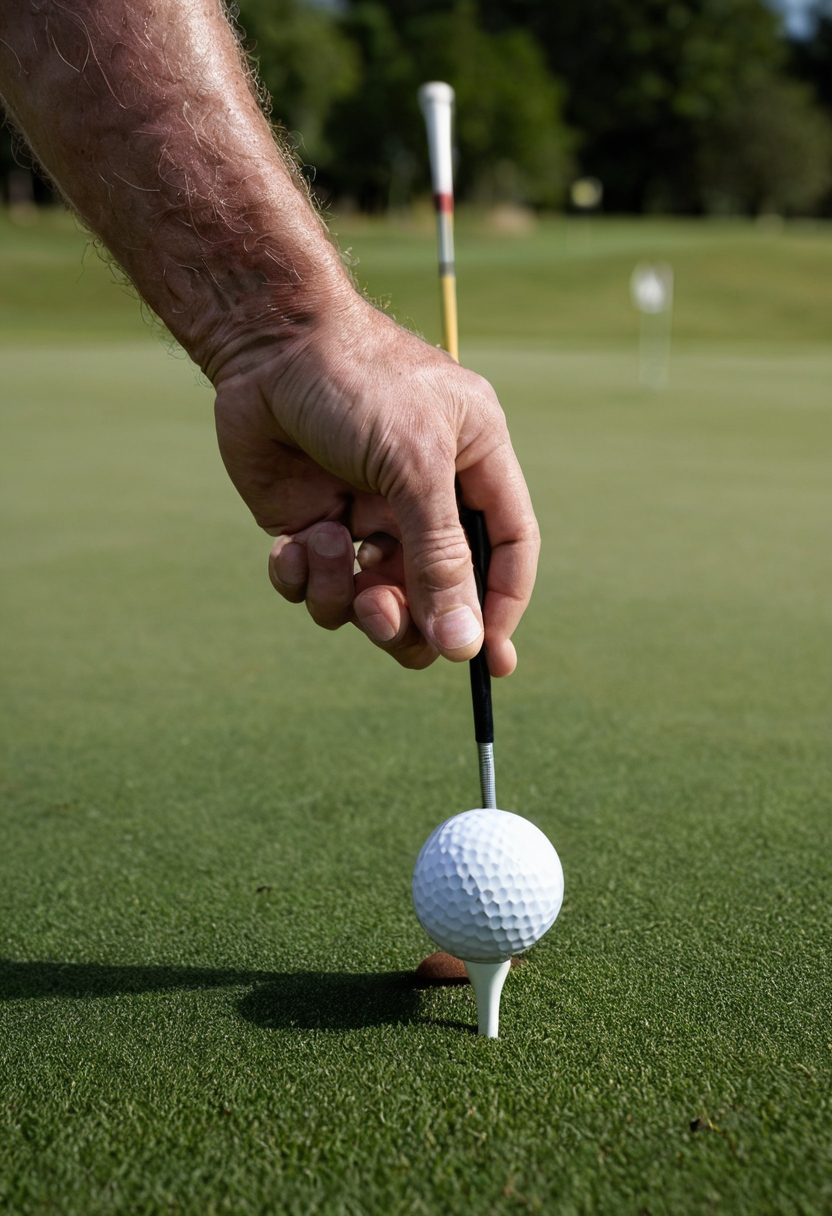
Grip labels do not reveal the complete installed golf grip size shown with practical context cues.
Testing one club is the safest way to verify a proposed golf grip size
Before regripping every club, test the proposed build on one familiar iron or compare closely matched demo clubs. Useful evidence comes from repeated comfort, pressure, strike, and start-line patterns, not one unusually good or bad swing.
- Standardize the test. Use the same ball type, target, warm-up routine, and weather window. Choose a target with a clear vertical reference, such as a range pole.
- Control the equipment. Compare builds on the same clubhead and shaft when suitable testing equipment permits. Otherwise, use matched demos with the same head, shaft, length, and lie.
- Alternate the order. Hit three blocks of five shots with each build, switching after every block. Alternating reduces the influence of fatigue or a late warm-up.
- Mark impact. Apply face spray or impact tape if the range allows it. Record each block before cleaning the face.
What should a golfer record during a one-club grip comparison?
Score comfort, required grip pressure, hand-placement consistency, and any pain or fatigue after each block. Record impact as heel, center, or toe based on the main mark. Note whether each ball started left, on line, or right of the target.
Keep obvious mishits in the record and label them rather than deleting them. A grip that produces repeated hand-placement trouble or scattered contact deserves attention even if its best shot looks impressive. A notebook tally is enough to reveal a useful pattern without a launch monitor.
Can a larger or smaller grip reliably fix a hook or slice?
No grip-size change reliably fixes a hook or slice for every golfer. Diameter can affect comfort, tension, and how an individual delivers the clubface, but the response depends on hand mobility, technique, and the size change tested.
If both builds produce inconsistent contact and start direction, decide whether fitting or more lessons deserves your budget before buying a full set of grips. Once a build performs better, confirm that its shape and features comply with the applicable equipment rules.
Golf grip shape and features must comply with the applicable equipment rules
Golfers competing under USGA rules must ensure that replacement grips and modifications satisfy the current Equipment Rules. Conventional retail grips are generally designed with conformity in mind, but homemade shaping and unusual additions deserve a check before competition.
For clubs other than putters, the grip generally must be circular in cross-section. A permitted reminder feature must remain straight, continuous, and only slightly raised. A grip may taper, but a pronounced waist, bulge, asymmetrical hand support, or deliberately shaped section can create a rules problem.

Golf grip shape and features must comply with the applicable equipment rules shown with practical context cues.
Putter grips receive different treatment. A putter grip may have a non-circular cross-section under specified conditions, but that distinction does not make every sculpted or homemade putter grip legal.
Which golf grip modifications create a rules risk?
Ordinary installation tape is not automatically a problem. Risk increases when tape, cord, inserts, or another material intentionally creates a ridge, ledge, lump, waist, or uneven hand rest.
- Check shaped tape build-ups that produce a localized bulge or flattened section.
- Check oversized reminder ribs or alignment features that exceed a slight, continuous reference.
- Check external attachments, thumb rests, molded hand guides, or additions applied after installation.
- Check any grip that twists, slides, or is not securely fixed to the shaft.
A golfer who remains uncertain should show the actual club to the competition committee before play. Golfers in other jurisdictions should consult the applicable governing body. Once conformity is settled, the final decision is how much of the set actually needs work.
A one-club trial can prevent an unnecessary full-set regripping bill
The economical sequence is to price one test installation, preserve the old grip when practical, and approve more work only after comparing the new build. Request an itemized estimate covering grip price, labor, tape or build-up, removal, tax, turnaround time, and club count.
When is professional grip fitting worth the added cost?
A professional grip fitting becomes worthwhile when adjacent sizes produce conflicting results, hand placement keeps changing, or swinging causes persistent hand, wrist, or finger pain. Golfers with arthritis, limited mobility, or unusual finger-to-palm proportions may need more than a basic chart provides.
Confirm whether the appointment is a grip evaluation or a full club-fitting session. A useful evaluation should compare installed builds while checking comfort, pressure, face contact, and start direction. Use these questions to ask before booking a club fitter so the session does not become a simple glove-size recommendation.
Which clubs should be regripped first on a limited budget?
Replace loose, split, twisting, or severely hardened grips first. After attachment and condition are addressed, stage the work by actual use:
- Regrip the test club once the preferred build is clear.
- Prioritize the driver, commonly used irons, and scoring wedges.
- Delay rarely carried specialty clubs if their grips remain secure and playable.
- Record the grip model, nominal size, core marking, tape build, and installer for every completed club.
Partial replacement can create temporary differences in texture and diameter, so avoid mixing builds at random. Approve one verified specification, document it, and regrip the remaining clubs in planned stages rather than paying to repeat an untested guess.
Golf grip sizing FAQ
How accurate is a golf grip sizing chart when hand size and glove size suggest different grips?
The chart remains a useful screening tool, but conflicting results should lead to a test of both adjacent sizes. Comfort, secure pressure, repeatable hand placement, and contact should decide between them.
Can grips that are too small or too large cause a hook or slice?
An unsuitable grip can affect tension and face control for an individual golfer, but grip size does not create a universal hook-or-slice pattern. Test the golfer rather than relying on a directional promise.
Do any PGA Tour professionals use undersize grips, and should that influence an amateur’s choice?
Elite players use varied grip sizes and custom builds. A professional’s preference reflects that player’s hands, technique, and desired feel, so it should not replace an amateur’s own controlled comparison.
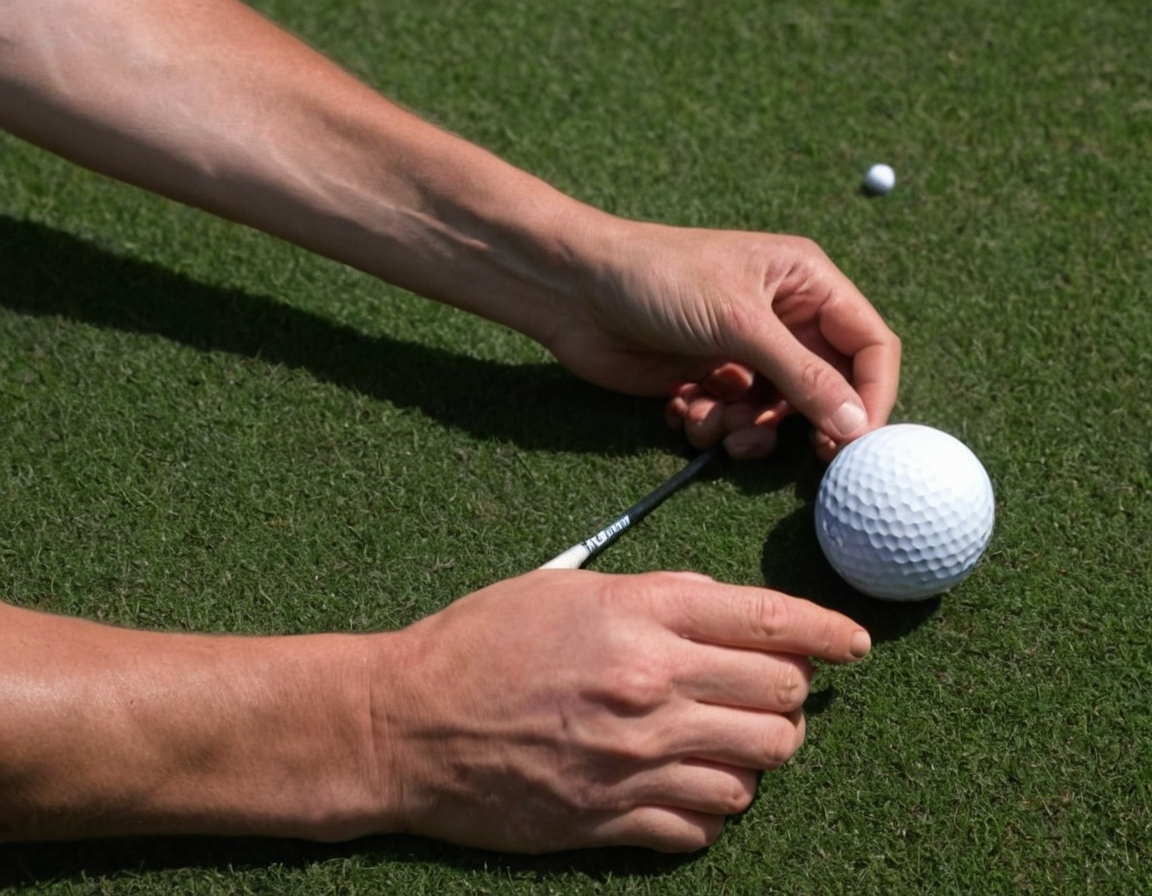
Golf grip sizing FAQ shown as an editorial planning reference.
Should the driver, irons, wedges, and putter all use the same grip size?
No universal requirement says every club must feel identical. Consistency across full-swing clubs can help, while wedges or putters may need a different profile. Each difference should be intentional and documented.
How many extra tape layers are needed to move between grip sizes?
No universal layer count applies because tape thickness, overlap, grip core, shaft-butt diameter, and installation method vary. Ask the builder to specify and reproduce the finished build rather than relying on a layer-count shortcut.