A Garage Mat Changes Your Divot, so Test Golf Swing Tips on Grass Before You Commit
A standard three-quarter-inch garage mat compresses roughly a quarter inch under an iron strike, while firm fairway soil yields only a fraction of that distance. That difference in resistance determines whether the golf swing tips you practice at home transfer to the course or teach your body to exploit artificial bounce. Budget golfers building repetition in garages need to know this before committing weeks to a flawed motion. I watched a regular student last spring hit twenty crisp seven-irons off his driveway setup, then chunk his first three approach shots on our bermuda fairways because his swing bottomed out two inches behind the ball every single time. See also: Checking your grip size at home.
Contents
- Why do golf swing tips feel perfect on a mat but fail on grass?
- How does mat bounce hide low-point control errors in your golf swing technique?
- Which golf swing advice actually transfers from a garage mat to the course?
- How can budget golfers test golf shot tips on grass without launch monitor fees?
- Should you fix your mat practice setup before changing your swing again?
- When is it time to stop tweaking and see a fitter or a pro?
Key takeaways
- Synthetic mats absorb the clubhead's downward strike by compressing or sliding, keeping the sole from digging.
- Low-point control means the clubhead reaches its lowest arc position slightly after striking the ball.
- Not all golf swing tips require turf validation.
- You do not need a $500 launch monitor to validate golf shot tips.
- Before adopting new golf swing tips, improve your garage setup to mimic real turf.
Why do golf swing tips feel perfect on a mat but fail on grass?
Synthetic mats absorb the clubhead’s downward strike by compressing or sliding, keeping the sole from digging. This bounce effect masks low-point errors that would produce fat shots on real turf. For public-course golfers practicing in garages, the mat rewards a steep angle of attack that grass punishes immediately.

Why do golf swing tips feel perfect on a mat but fail on grass.
The extra give lets the clubhead skid forward after impact instead of stopping where the swing bottoms out. Golfers who practice exclusively on synthetic surfaces often carry this false feedback straight to the first tee. A drill that produces clean contact on rubber might expose a severe low-point problem on actual soil. The garage setup removes the penalty for poor ground interaction, so the brain never registers the mistake as something to correct.
Bermuda and bentgrass resist the clubface differently than any synthetic fiber. Natural turf grips the leading edge and halts forward momentum the instant the sole contacts the ground. A typical consumer mat slides or rebounds, reducing friction just enough to turn a mis-hit into a playable shot. That reduced resistance hides early release patterns and steep shaft angles during practice.
Budget players rely on home setups to build repetition without paying daily range fees. That access matters. But repetition on a forgiving surface can ingrain a movement pattern that fails under real course conditions. The mat does not lie about your effort, yet it lies constantly about your contact quality.
Understanding how that artificial bounce alters your low point is the first step toward fixing it. Once you see what the mat hides, you can test your golf swing technique on grass before committing weeks to a flawed motion.
How does mat bounce hide low-point control errors in your golf swing technique?
Low-point control means the clubhead reaches its lowest arc position slightly after striking the ball. On a firm synthetic mat, the club skids through impact even when the low point is behind the ball. This false feedback lets golfers rehearse flawed golf swing technique without seeing the divot pattern that reveals the error.
Teaching professionals generally agree that for iron shots, the bottom of the swing arc should land one to three inches past the golf ball on the target side. That margin lets the clubface compress the ball against the turf before taking a shallow divot. Synthetic mats erase this margin. A standard three-quarter-inch foam-backed mat compresses downward under the leading edge, letting the sole glide forward instead of digging. The effective low point shifts backward by roughly an inch compared to firm fairway grass. Your hands might deliver the club too early, but the mat absorbs the mistake and launches the ball anyway.
Visual evidence separates a clean strike from a hidden error. On natural bentgrass or bermuda, an early release produces a deep gouge starting behind the ball, often accompanied by a heavy thud and a short flight. On a garage mat, that same early release leaves a faint scuff mark or a light streak of rubber dust. The club bounces off the synthetic surface rather than cutting through soil. Players see a ball flying toward the target and assume their golf swing advice worked. The mat simply masked the fat contact.
What happens to your angle of attack when the club bounces off synthetic turf?
Angle of attack describes the clubhead’s vertical direction at the moment of impact. Iron play requires a negative angle of attack, meaning the club descends into the ball. High-bounce synthetic mats alter this descent. When the sole meets the dense rubber fibers, the club decelerates vertically and accelerates horizontally. The downward strike turns into a sweeping motion within fractions of a second.
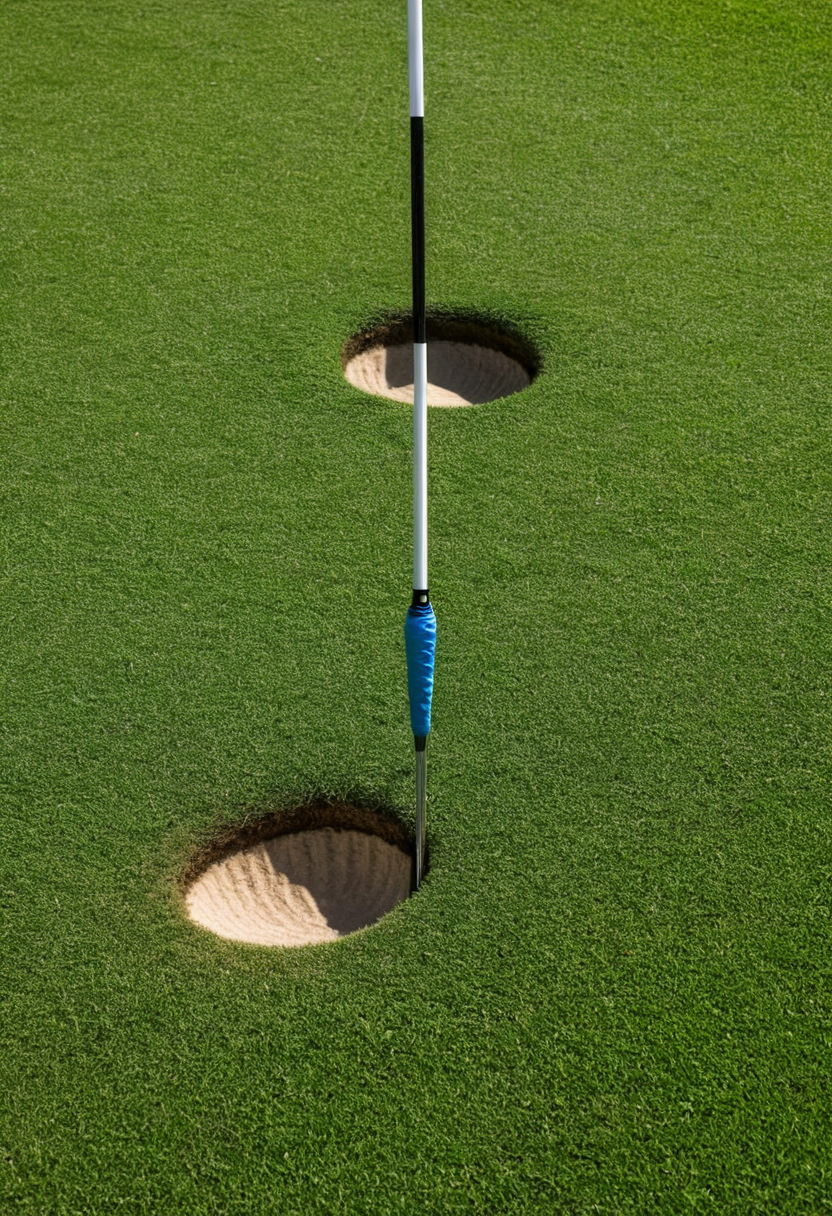
How does mat bounce hide low-point control errors in your golf swing technique.
This mechanical shift flattens the effective angle of attack by several degrees compared to tight lies on real grass. A player practicing a steep downswing drill on a thick mat might actually deliver a shallow path at impact because the surface rejects the downward force. The ball launches higher with less spin. You might celebrate the extra carry distance as proof of better golf shot tips, but the launch conditions belong to the mat, not your swing. Moving to a tight municipal fairway restores the true angle of attack, and the sudden drop in trajectory catches players off guard.
The greater damage is to your swing mechanics. Muscle memory builds through repetition, and repeating a motion that only succeeds because of artificial bounce trains your body to expect a forgiving surface. Golfers who practice exclusively on thick mats often develop a subconscious hesitation to hit down through the ball. The brain learns that a descending blow produces a jarring vibration, so the hands instinctively scoop to avoid the shock. Fixing that scooping habit takes twice as long as building a proper downward strike from the start.
Recognizing how synthetic surfaces distort your feedback raises a practical question: which golf swing advice actually transfers from a garage mat to the course?
Which golf swing advice actually transfers from a garage mat to the course?
Not all golf swing tips require turf validation. Grip changes, posture adjustments, and backswing sequencing practiced on a mat transfer directly because they occur above the ground. Any drill targeting weight shift, release timing, or ground interaction must be tested on grass before you commit to it during a round.
Surface-independent drills focus on body positions that never touch the turf. Adjusting your lead-hand placement, standing taller at address, or shortening your takeaway happens entirely in the air. A synthetic mat gives you the same flat reference plane as a fairway for these movements. You can safely rehearse grip pressure or shoulder tilt in your garage without worrying about false feedback from the hitting surface.
Surface-dependent drills involve the clubhead arriving at the ball through space where the ground matters. Working on shallowing your angle of attack, shifting pressure into your lead foot at impact, or delaying your wrist release all depend on how the sole interacts with the turf. A mat absorbs or deflects a fat strike that grass would punish immediately. Practicing these mechanics indoors builds confidence based on a forgiving surface rather than real course conditions.
- Above-ground mechanics: Trust the mat. Grip, posture, alignment, and backswing length do not interact with the turf. Changes here translate directly to the course.
- Impact-zone mechanics: Question the mat. Release timing, low-point control, and divot patterns need grass verification. The bounce you feel indoors hides errors that show up on the first tee.
- Weight-transfer drills: Split the difference. Lateral hip movement is safe to rehearse anywhere, but feeling the lead foot press firmly into the ground at impact requires a surface that does not slide under pressure.
Teaching professionals generally agree that upper-body sequencing drills belong in the off-season garage routine, while turf-interaction work belongs on actual grass. If a drill changes how the club enters the hitting zone, treat the mat session as a rough draft rather than a finished product. Knowing which category your current drill falls into keeps you from rebuilding a swing that only works on nylon fibers. Once you sort your drills by surface dependence, the next question is practical: how can budget golfers test golf shot tips on grass without launch monitor fees?
How can budget golfers test golf shot tips on grass without launch monitor fees?
You do not need a $500 launch monitor to validate golf shot tips. Foot-spray powder on the clubface shows strike location, masking tape on the sole reveals where the club bottoms out, and a towel placed two inches behind the ball confirms if your low point is correct. These tools cost under ten dollars combined.
Athlete’s foot spray runs about three to five dollars at most hardware stores or pharmacies. A roll of blue painter’s tape costs roughly four dollars. The towel drill requires nothing you do not already carry in your bag. Together, these three methods give you visual feedback that rivals what expensive radar units display for face contact and ground interaction.
The towel drill works best for testing iron strikes. Lay a small hand towel flat on the turf approximately two inches behind the golf ball, directly along your target line. Swing your iron aiming to strike the ball first and miss the towel entirely. If the leading edge catches the fabric before reaching the ball, your swing arc bottoms out too early. This exact fault hides completely on a synthetic mat because the rubber base slides away from the clubhead instead of resisting it. Hitting five consecutive shots without touching the towel proves your low point has moved ahead of the ball.
Dry conditions matter for all three tests. Wet grass clumps against the sole and obscures tape marks, while moisture causes foot spray to streak across the clubface. Pick a dry afternoon at the range so the marks stay sharp enough to read after each swing.
Hit a single shot off natural grass. Peel the tape off immediately and examine the scuff mark left by the ground. A clean strike produces a narrow wear line starting just behind the leading edge and extending back toward the middle of the sole. That pattern means the club descended slightly, compressed the ball, and then brushed the turf. A heavy scuff beginning right at the front lip indicates a steep angle of attack where the leading edge digs before the bounce engages. No mark at all suggests you picked the ball clean or topped it, which often happens when players overcorrect after practicing on thick mats that forgive fat shots.
Replace the tape every three or four swings. Worn tape loses its ability to show fine details, and layered adhesive changes how the sole glides through the grass. Keep a few pre-cut strips in your pocket so you can swap them quickly between clubs.
Foot-spray powder offers another check during this same session. Coat the clubface lightly with athlete’s foot spray before hitting a ball. The white powder transfers a dark imprint showing exactly where the golf ball made contact. Center-face strikes leave a circular mark near the sweet spot, while toe or heel hits reveal misalignments that mats often mask by bouncing the club back into position. You get both sole interaction data from the tape and face contact data from the spray in one affordable trip.
Running these cheap diagnostics outdoors tells you whether a new move holds up under real turf resistance. But before you blame the mat for every bad habit, consider if the practice setup itself needs fixing first.
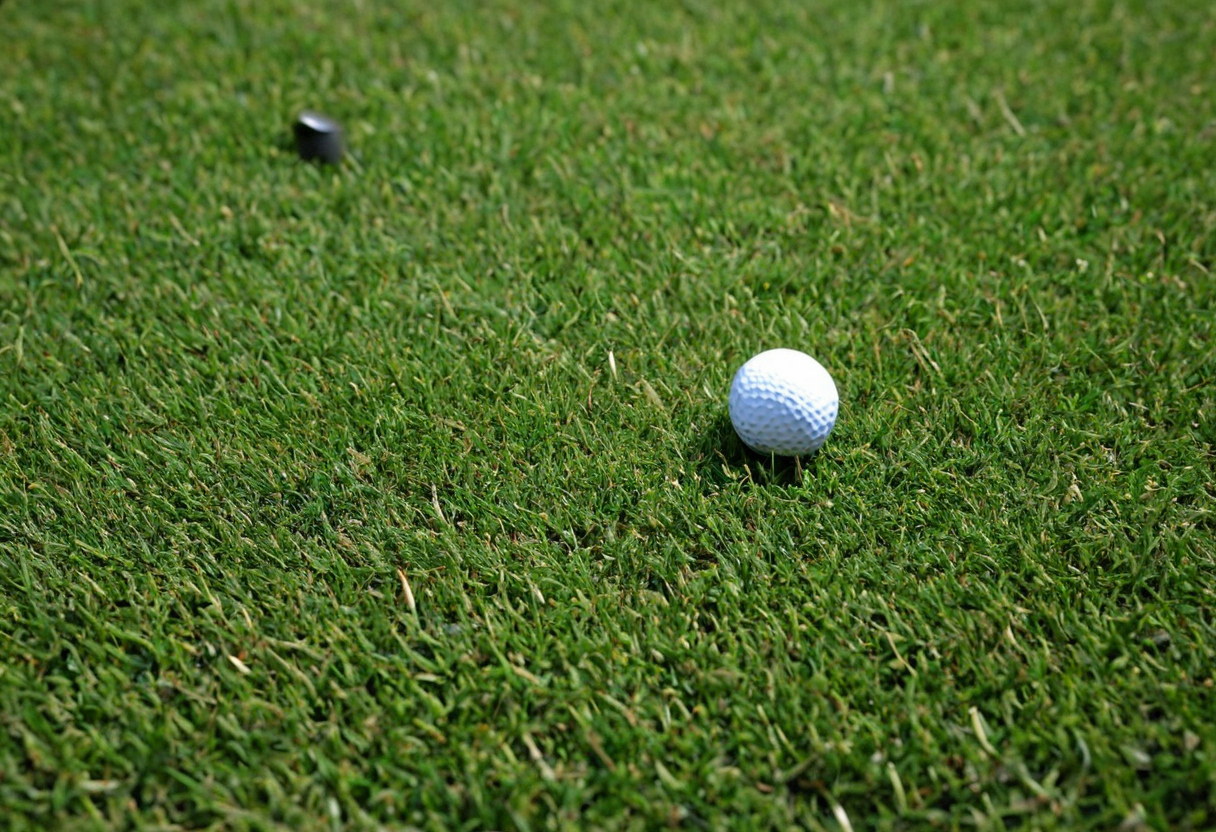
How can budget golfers test golf shot tips on grass without launch monitor fees.
Should you fix your mat practice setup before changing your swing again?
Before adopting new golf swing tips, improve your garage setup to mimic real turf. Placing a thin piece of plywood under a mat reduces artificial bounce, and using a realistic-height tee simulates tight fairway lies. If your current mat hides every mistake, no amount of indoor repetition will build a reliable swing.
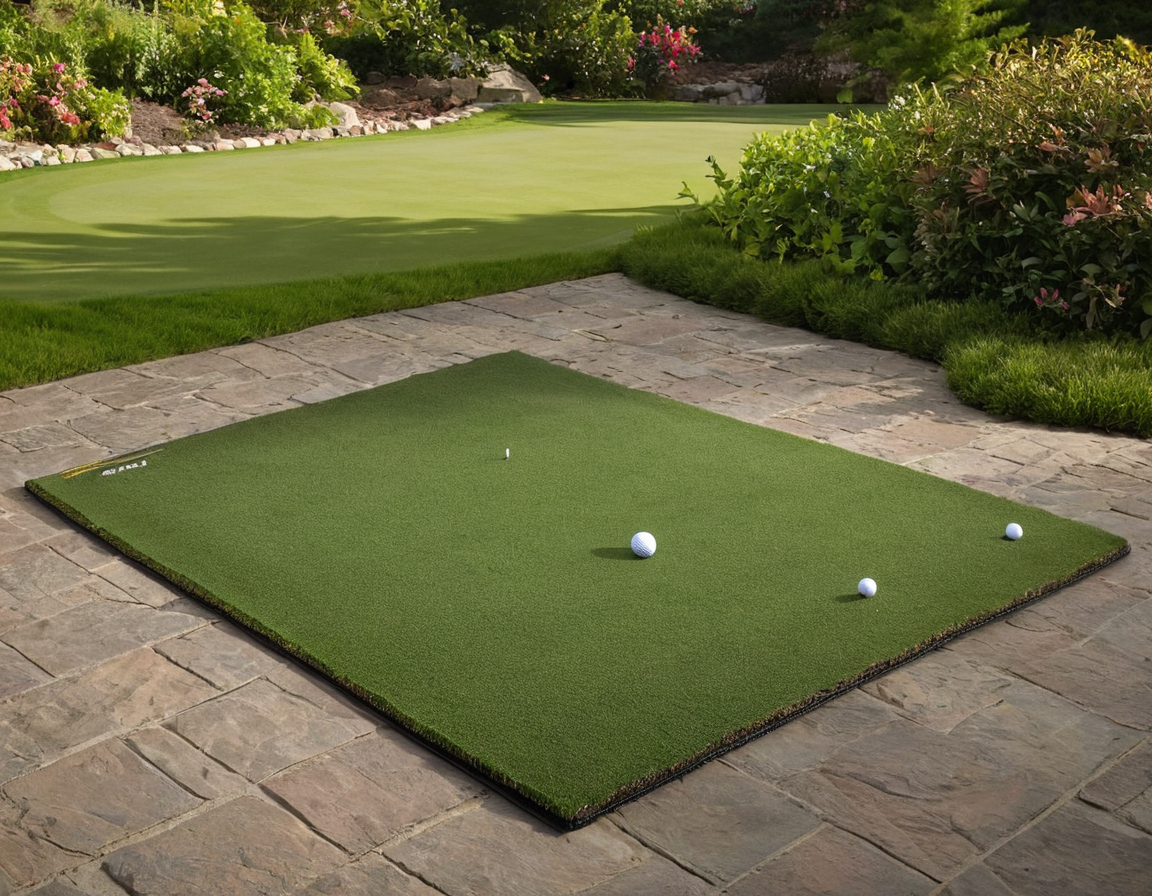
Should you fix your mat practice setup before changing your swing again.
A thick commercial mat with heavy rubber backing absorbs the clubhead after impact. That absorption masks fat strikes because the sole glides through synthetic fibers instead of digging into soil. A thin travel mat placed directly on concrete has the opposite problem: zero give, which can jar your wrists and force you to pick the club up unnaturally. Teaching pros often modify standard mats by removing a portion of the dense rubber base or placing a half-inch plywood sheet underneath. The plywood creates a firm platform that limits how far the club bounces after bottoming out, giving you feedback closer to a tight bermuda fairway lie.
Surface modifications only help when your hands are working correctly first. Checking your grip size at home ensures that early release or casting comes from actual swing mechanics rather than fingers slipping on an oversized handle. Rule out those surface-independent fixes before blaming the mat for every poor strike.
Run through this checklist before rebuilding your golf swing technique indoors:
- Remove excess rubber backing if the mat feels like a trampoline under your wedges.
- Add a rigid layer beneath the hitting zone to limit downward compression.
- Verify grip sizing so hand action does not compound surface errors.
- Use low-profile tees for iron shots instead of teeing the ball up like a driver.
If your modified setup still produces inconsistent contact outdoors, the issue might lie deeper in your equipment or your movement pattern. Knowing when to stop tweaking the garage drill and seek professional guidance saves months of chasing the wrong fix.
When is it time to stop tweaking and see a fitter or a pro?
If your mat-to-grass testing shows inconsistent low points despite weeks of focused drills, the issue might be equipment rather than effort. A club that is too long, too upright, or lacks sufficient bounce for your local turf will force compensations. Validate your mechanics cheaply first, then seek professional fitting or lessons.
Threshold indicators separate a swing flaw from a fitting flaw. Consistent toe strikes on grass paired with center-face contact on a garage mat usually point to a lie angle that is too flat for your posture at impact. Heavy heel divots on the course but clean sweeps indoors suggest the irons sit too upright. A player who bottoms out three inches behind the ball on tight fairway lies yet finds the sweet spot on thick synthetic turf often needs more sole bounce or a slightly shorter shaft. These patterns repeat across multiple sessions before they justify spending money on outside help.
Garage practice builds muscle memory, but incorrect specifications train muscles to protect bad geometry. Once masking tape and foot spray confirm your strike pattern shifts every time you leave the driveway, further solo tweaks waste range balls. At that stage, deciding between a fitting and more lessons becomes the practical next step. Book a session with data showing exactly where your mat feedback diverges from real turf, so the fitter or instructor solves a verified problem instead of guessing.
For more on this topic, see other guides on this site.