Choosing a Golf Club Fitter Near You: Seven Questions That Expose a Weak Session
A polished fitting bay can still produce an expensive mistake. Before booking the first result for “golf club fitting near me,” determine whether the service offers a measurement-led comparison or merely a short product demonstration followed by a sales pitch.
If equipment may not be the real limitation, first decide whether club fitting or more lessons should come first. If fitting is the right next step, use these seven questions to demand answers you can verify before paying.
1. How long is the golf club fitting, and what happens during each stage?
A credible golf club fitting reserves enough time to interview the player, record baseline shots, test controlled equipment changes, retest the strongest combinations, and document the recommendation. The appropriate duration depends on the club category and player, but the fitter should describe the complete workflow before accepting a booking.
A fitting schedule should name the interview, baseline, testing, and confirmation stages
Ask whether the booked appointment includes each of these stages:
- Discuss playing goals, typical misses, physical limitations, course conditions, and budget.
- Clarify whether warm-up time sits inside the appointment or must happen beforehand.
- Measure the current club before changing heads, shafts, length, loft, lie, weighting, or grip.
- Control testing so each equipment change has a clear purpose.
- Retest the finalists after the player has hit several combinations.
- Review the recommended specification and comparison results before the session ends.
A short appointment is a warning when it leaves no time to retest finalists
Judge appointment length by the work promised, not an invented universal minimum. A consistent player testing one club category may progress quickly. A beginner, an injured golfer, or a player comparing many viable combinations may need a slower process.
The warning sign is not a short number on the booking page. It is a schedule that allows only a few swings with new products and no return to the best options. Before accepting any claimed improvement, ask what current-club baseline will make that comparison credible.
2. Will the fitter measure my current clubs before testing replacements?
The fitter should establish a usable baseline with the golfer’s current club before claiming that a replacement performs better. For a golfer with playable equipment, the process should include inspecting relevant club specifications and recording representative shots under the same conditions used for test clubs. Warm-up swings and obvious mishits should be identified rather than quietly deleted.
The inspection should match the club category. For irons, useful fields include playing length, loft, lie, shaft model and flex, total weight, swing weight, and grip size. A driver inspection should also record loft and adjustable settings where applicable. These measurements may reveal that the new equipment is being compared with a current club that has unusual specifications or has changed from its intended setup.
The baseline must use comparable balls, targets, and launch-monitor settings
A fair comparison keeps the test ball, target line, hitting surface, and launch-monitor setup consistent. Environmental settings and any normalized output should also remain unchanged or be clearly disclosed. Otherwise, an apparent gain can come from the testing conditions rather than the club.
Indoor sessions should use the same ball model throughout whenever practical. Outdoor range balls can support comparisons of strike pattern and directional tendency, but worn or inconsistent balls make precise carry and spin conclusions less dependable. The fitter should explain those limits instead of presenting every output as equally reliable.
- Bring the current club and the ball normally used on the course.
- Confirm the target line before baseline shots begin.
- Ask whether distance figures show observed flight, normalized flight, or an estimate.
- Note any change in tee height, mat position, wind, or ball condition.
The fitter should explain which shots are retained or removed
Representative groups matter more than one perfect swing. The fitter should mark warm-up shots, invalid launch-monitor readings, and clear mishits, then apply the same removal logic to the current club and every candidate. Deleting poor shots only from a favored test club can manufacture a cleaner dispersion pattern.
Beginners and golfers with variable contact may need more warm-up time and comparisons built around strike tendencies rather than ideal shots. An injured golfer should disclose current limitations before testing. If the golfer lacks a suitable comparison club, the fitter should say that the session is establishing a starting specification, not proving improvement over existing equipment.
Once the baseline is credible, ask whether the fitter can physically assemble the heads, shafts, lengths, and lie options needed for a real comparison.
3. Which heads, shafts, lengths, and lie options can this fitter actually test?
A local fitter should disclose which head models, shaft weights and profiles, playing lengths, and adjustment options can be assembled for physical testing. The required range depends on the golfer’s delivery, budget, handedness, and club category, but any recommendation is weaker when the proposed specification was inferred rather than built and hit.
Brand-neutral fitting and manufacturer fitting serve different purchasing goals
A multi-brand fitter suits golfers who want to compare products across manufacturers. A manufacturer-specific center can be appropriate when the golfer has already chosen that brand and wants to identify the best configuration within its range. Neither model guarantees a strong session. The fitter must disclose inventory and commercial limits before testing begins.
Availability matters more than a large advertised component count. Left-handed golfers, juniors, unusually tall or short players, and golfers outside common speed ranges should ask whether suitable test components will be present on the appointment date. “Available to order” does not mean “available to hit.” Ask the fitter to separate:
- heads and shafts that can be assembled and tested;
- length and lie adjustments that the test system can reproduce;
- stock, no-upcharge, and aftermarket shaft choices;
- options available only in one handedness or head model;
- specifications that must be estimated from another test club.
The recommended specification should be tested as a complete combination
Club components do not operate as independent labels. Changing playing length can alter posture, strike location, delivered lie, and the club’s balance. Head weight, shaft weight, grip weight, loft, lie, and adjustable weighting can also change how the assembled club feels and performs. A shaft that worked in one head at one length is not automatically the right shaft in another build.
In the fitting bay, the finalist should resemble the proposed order as closely as the fitting system allows. If the exact build cannot be reproduced, the fitter should identify each mismatch, explain what was inferred, and avoid presenting the result as a fully verified combination.
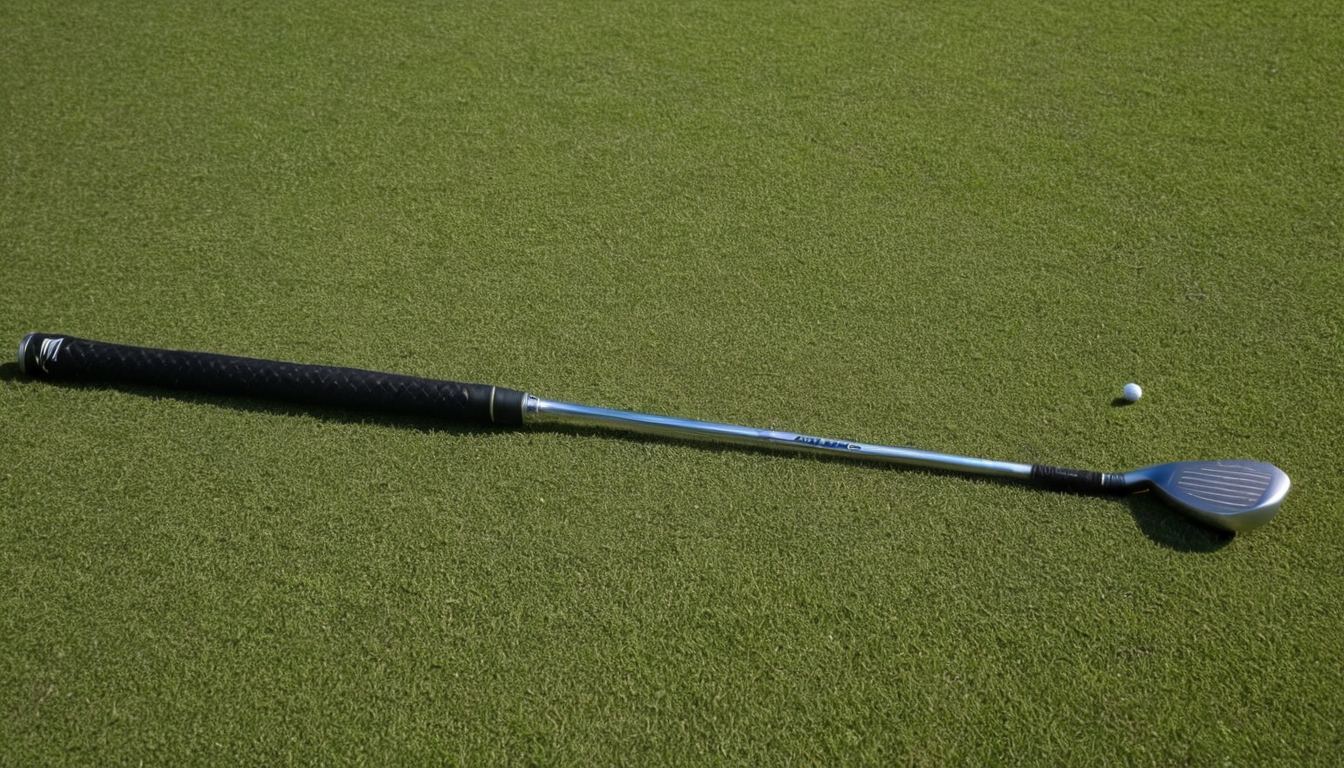
3. Which heads, shafts, lengths, and lie options can this fitter actually test shown with practical context cues.
The acceptance test is simple: ask the fitter to list what you physically hit beside what will appear on the build sheet. Then ask what recorded launch, impact, distance, and dispersion evidence proves that combination won.
4. Which launch-monitor and impact measurements will the fitter save and share?
A rigorous fitting should retain enough shot-level data to show how the current club and finalists differ in delivery, impact, launch, spin, carry, and dispersion. Available fields vary by launch monitor and club category, but the golfer should be able to review the comparison instead of receiving only a distance claim.
Launch-monitor outputs may be measured directly, calculated from measured inputs, estimated, or normalized for selected weather and ground conditions. Ask the fitter to identify which category applies to each decision-making field. A normalized total distance is not the same as observed outdoor distance under the golfer’s usual course conditions.
Driver fitting should balance usable distance with launch, spin, strike, and dispersion
A driver winner should emerge from a representative group of playable swings, not the single ball that traveled farthest. The fitter should compare club speed, ball speed, impact location, launch angle, spin rate, carry, and left-right dispersion while noting delivery fields such as attack angle, club path, and face angle when the system captures them.
Ball speed and smash factor can help reveal strike efficiency, but neither proves that a driver is playable. A finalist that produces slightly less peak distance may be the stronger choice if centered contact, carry, and directional pattern remain more consistent. Total distance deserves less weight indoors when rollout depends on estimated ground conditions.
Iron fitting should test carry consistency, landing conditions, strike, and directional pattern
An iron comparison should prioritize predictable carry and a flight suited to the club’s intended job. Review carry variation, launch, spin, peak height, landing angle, strike location, and directional pattern. The fitter should also account for the golfer’s speed, usual ball, typical turf firmness, and whether the tested iron must hold greens or fill a distance gap.
Raw distance can mislead when competing heads have different lofts or test clubs have different playing lengths. The fitter should disclose those specifications before claiming that one iron is longer. Extra distance alone does not show whether the resulting trajectory, stopping potential, and consistency fit the player.
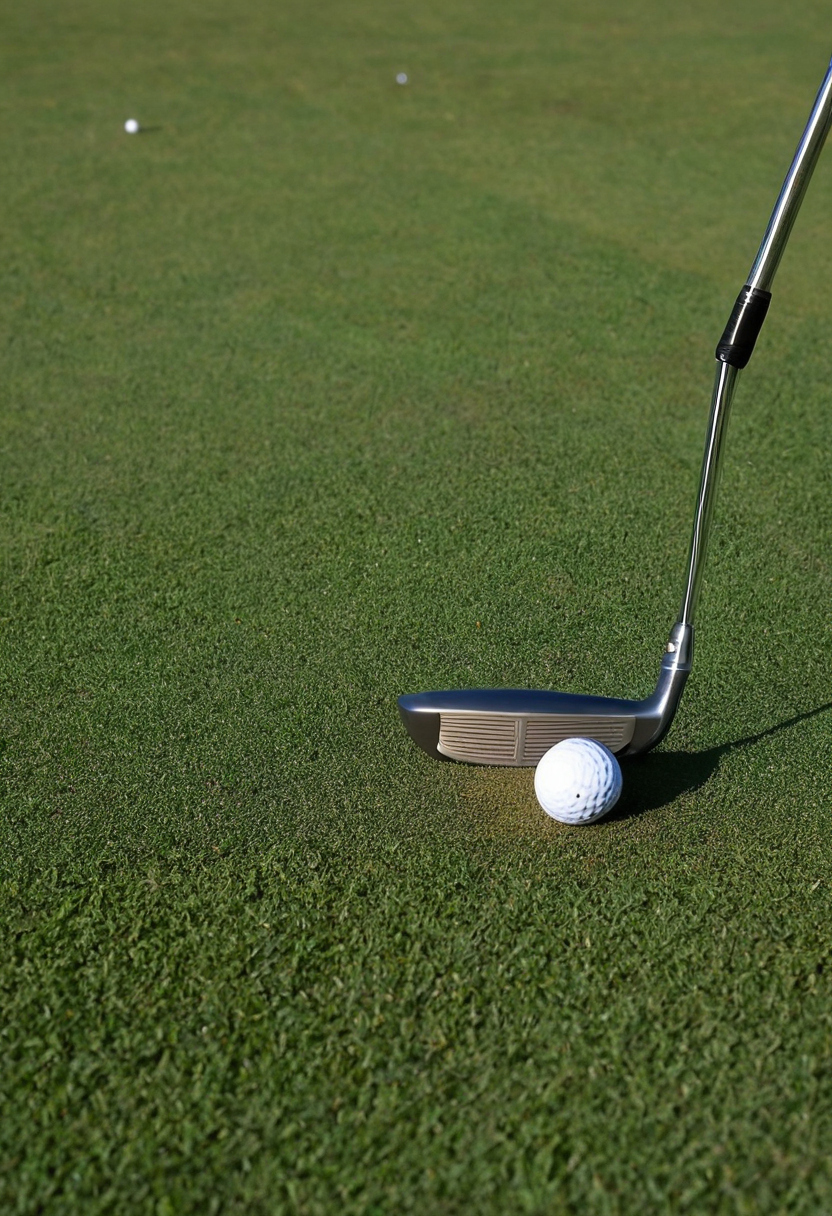
4. Which launch-monitor and impact measurements will the fitter save and share shown as an editorial planning reference.
The golfer should leave with the tested specifications and comparison results
An adequate fitting record does not require a complicated spreadsheet, but it should make the recommendation reproducible. Review or request a scorecard containing:
- current-club baseline and finalist labels;
- representative shot results, including carry and dispersion;
- relevant launch, spin, strike, and delivery fields;
- the ball, target, environmental settings, and any normalized outputs;
- head, loft, shaft, flex, length, lie, weighting, and grip specifications.
If the fitter does not export raw shots, a written summary should still explain why the selected build beat the baseline and other finalists. Simulator evidence establishes the comparison, but it does not close the gap between measured performance and playable ball flight.
5. How will the fitter verify ball flight and the final specification?
Indoor launch-monitor testing can support a sound fitting, but the fitter should explain how alignment, ball choice, environmental settings, turf interaction, and final specifications will be checked. Outdoor observation adds useful evidence when actual flight or ground contact matters, although a controlled indoor session is not weak merely because its limitations are disclosed.
Outdoor testing is most valuable when actual flight and turf interaction affect the decision
Outdoor verification can reveal whether a driver’s starting line and curvature remain playable, while grass testing can expose iron and wedge problems that a firm mat conceals. Sole width, bounce, lie, and delivery affect how a club enters and exits real turf. Putting checks should confirm aim, launch, and pace on a surface resembling the golfer’s usual greens.
Outdoor results still need context. Wind, temperature, elevation, ground firmness, grass, and worn range balls can distort comparisons. Ask whether the fitter will combine observed flight with measured data rather than treating either source as conclusive. Indoors, ask how the target was aligned, which ball was used, which environmental inputs were entered, and whether displayed results were normalized.
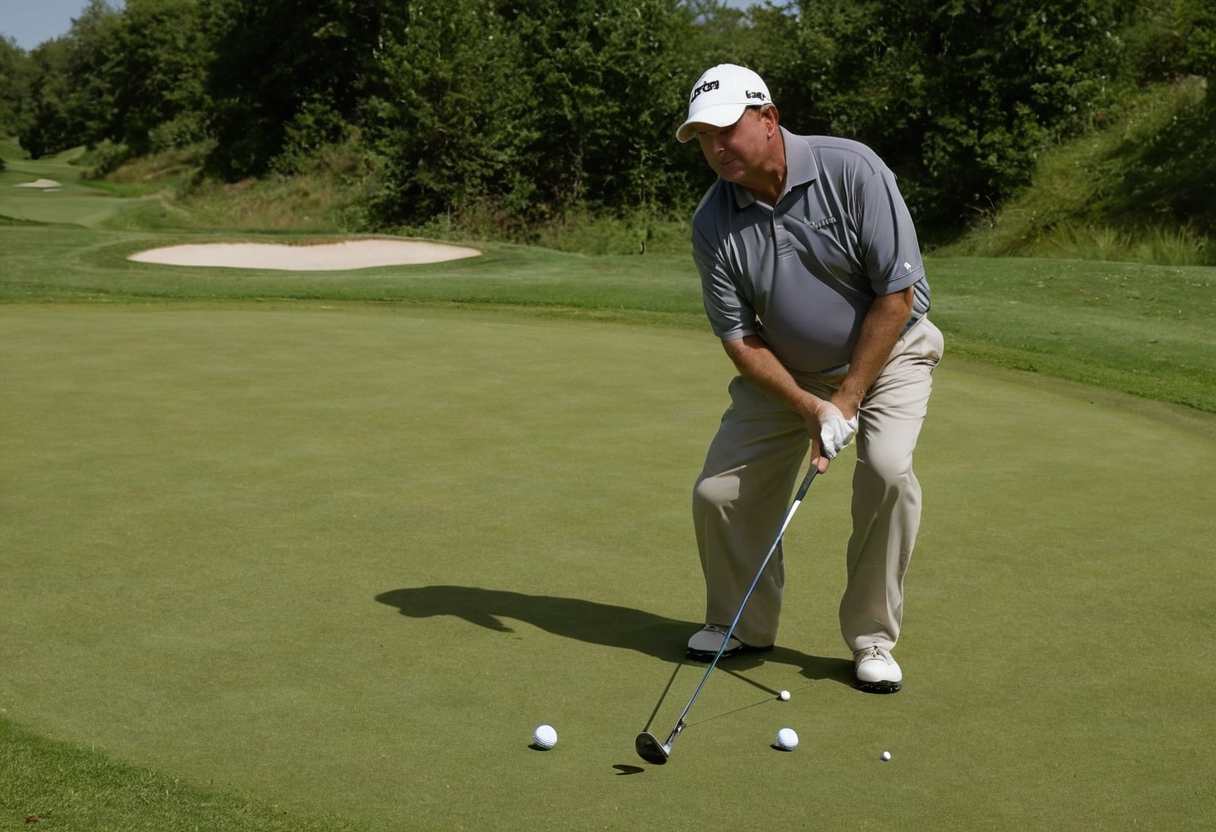
5. How will the fitter verify ball flight and the final specification shown as an editorial planning reference.
The delivered clubs should be measured against the ordered build sheet
The fitting is not complete when an order is submitted. The fitter or builder should compare the finished clubs with the documented recommendation, including model, loft, lie, playing length, shaft, grip, total weight, and swing-weight target where relevant. Measurement methods and component variation can produce small differences, so the fitter should explain any discrepancy rather than promising undefined perfection.
Request a written build sheet and ask whether delivery includes inspection, a hitting check, or later gapping and adjustment. Then confirm what the fitting, components, upgrades, build work, and follow-up will cost.
6. What is the complete fitting and club price before I book?
The fitter should quote the session fee, explain any purchase credit, and identify likely charges for clubheads, shafts, grips, assembly, adjustments, shipping, taxes, and follow-up work. Because prices vary by market and build, compare dated, itemized totals using the same club category and purchase assumptions.
A fitting-fee credit is valuable only when its purchase conditions are clear
Ask the fitter to put the credit terms in writing before taking a deposit. Confirm whether the credit requires a same-day order, minimum purchase, selected brand, fitted product, participating location, or purchase before an expiration date. Also check the cancellation and rescheduling terms for the fitting itself.
A credit does not automatically make one service cheaper. A higher club price, restricted component menu, or nonrefundable deposit can erase the apparent saving. Compare the amount you would actually pay for the recommended clubs, not the headline fitting fee.
6. What is the complete fitting and club price before I book shown as an editorial planning reference.
The comparison price should include every component in the recommended build
Request a written quotation that separates the fitting cost from the stock club price and any shaft, grip, weighting, assembly, adjustment, tax, or delivery charges. The quotation should also state whether the fitting covers one club category, several categories, or a full bag.
Ask what “stock,” “no-upcharge,” “aftermarket,” and “custom” mean on that specific quote. Confirm whether you may take the specifications elsewhere and whether post-delivery loft, lie, or swing-weight checks are included. Once the total is clear, the final booking risk is accountability.
7. Can I leave without buying, and what happens if the fitted clubs are wrong?
Yes. A trustworthy fitter should let you review the recommendation without an undisclosed same-day purchase requirement. Before booking, ask for written terms covering quote validity, custom-order restrictions, adjustments, returns, warranties, remakes, labor charges, and any performance guarantee.
The fitter should separate a build error from a change in the golfer’s swing
Delivered clubs should first be measured against the order sheet for loft, lie, length, weighting, and grip. If the build matches, the fitter should reassess strike and delivery before changing specifications. Lessons, injury, speed gains, or a later swing change can alter the result without making the original build defective.
Written follow-up policies are stronger than verbal satisfaction promises
Custom or altered clubs may have restricted return options depending on the seller and local law. Keep the receipt, build sheet, launch data, quoted price, and written correspondence.
- Session plan: staged workflow, not an unexplained quick demo.
- Baseline: current clubs tested under comparable conditions.
- Options: testable heads and shafts, not catalog promises.
- Data: saved distance, strike, launch, and dispersion results.
- Verification: finalist retest and delivered-club measurements.
- Price: complete build cost and fitting-fee terms disclosed.
- Follow-up: written adjustment and remedy process, with no forced purchase.
Book only when the fitter can answer all seven questions with evidence you can inspect before paying.
Frequently asked questions about choosing a golf club fitter
The practical details below can prevent confusion before and after a fitting appointment.
Are you supposed to tip a golf club fitter?
Tipping is not normally a required part of a professional fitting fee. If the business allows gratuities and the fitter provides exceptional service, a tip is optional. A positive review or referral may also be appreciated.
Should I bring my current clubs and usual golf ball to a fitting?
Yes. Bring the relevant current clubs so the fitter can inspect their specifications and create a performance baseline. Bring your usual ball when practical because ball construction can affect launch, spin, flight, and feel. Also bring normal golf shoes, a glove, and notes about typical misses or distance gaps.