Golf Club Fitting or More Lessons First: How to Decide Before Spending
The next dollar should go to the fix your evidence can prove. If a round brings thin irons, wiped drivers, and one perfect shot, ask first: is the pattern stable enough to fit?
Should a golfer book golf club fitting or lessons first?
Most recreational golfers should choose lessons first when contact, start line, curve, or low point changes from swing to swing. Golf club fitting should come first when centered contact and the same miss repeat. That rule prevents buying equipment for a motion that may change soon.
A lesson-first decision is safer when the golf swing has no repeatable pattern
Choose a lesson first when the club strikes the heel on one swing and the toe on the next, or the ball moves from push-slice to pull-hook in the same session. A coach can identify low point, face control, setup, and tempo problems before money goes into shafts, lie angles, or heads.
A golf fitting-first decision makes sense when the golfer repeats the same miss
Choose fitting first when contact stays near the center, carry distance is predictable, and one start line or curve keeps showing up. Stable delivery lets a fitter test length, lie angle, shaft weight, loft, and grip size against a real pattern. That is the same practical separation behind how tournament players separate preparation and equipment decisions.
What poor-shot signs point to golf swing tips and lessons instead of new clubs?
Poor shots usually point to golf swing tips and lessons when the golfer cannot control strike location, low point, face angle, or tempo under normal range conditions.
Inconsistent contact location is a swing problem before it is a club problem
Impact evidence should come before a purchase. Foot spray, impact tape, or face stickers can show whether the ball is moving across the face or staying in one readable area.
- Heel strike, then toe strike, with the same club
- Thin contact, then fat contact, from a similar setup
- Push-slice, then pull-hook, without a clear pattern
- Unpredictable low point with irons and wedges
Changing shot shape every few swings makes a golf fitting less dependable
Shot shape needs repetition to make fitting data useful. If face-to-path changes from open to closed across a small sample, the launch monitor may record a swing problem as a shaft, lie, or head problem.
A basic lesson block can create better fitting data
A short lesson block should stabilize one priority issue, such as low point or face control, so the next golf fitting compares clubs against a repeatable motion.
What launch monitor numbers suggest a real golf club fitting problem?
Launch monitor data suggests a golf club fitting problem when the golfer produces repeatable contact and delivery but ball flight remains inefficient. Ball speed, launch, spin, peak height, descent angle, carry, and dispersion should be read together.
Driver fitting problems often show up as inefficient launch, spin, and dispersion
Driver data points toward fitting when centered strikes still launch too low, spin too much, fall out of the air, or scatter across a wide pattern. The fix may involve loft, head design, shaft weight, shaft profile, total weight, or playing length.
Iron fitting problems often show up as poor carry gaps and descent angle
Iron data should show playable carry windows, not only one long shot. If two irons fly nearly the same distance, one iron balloons, or a long iron lands too flat to hold a green, loft, shaft, set makeup, or hybrid replacement may matter.
Lie angle and length problems can be checked before buying custom fit golf clubs
Lie angle and length deserve a check when solid strikes keep starting left or right. Dynamic lie testing, face impact marks, launch monitor face readings, and divot direction give better evidence than a static chart alone.
How much should a golfer spend on lessons, golf fitting, and custom fit golf clubs first?
A golfer should match spending to the decision being made: lessons are for changing the motion, golf fitting is for selecting specifications, and custom fit golf clubs are for locking in equipment after evidence supports the purchase.
A small golf budget should usually buy diagnosis before equipment
A golfer with a few hundred dollars should usually buy a swing evaluation, one lesson, a basic spec check, or a narrow club fitting before buying new clubs. If contact changes every session, buy instruction and practice time. If strike is centered but driver spin, iron gaps, or lie marks look wrong, buy a focused golf fitting.
A larger golf budget can combine instruction and fitting in stages
A larger budget can still disappear quickly if the golfer orders the whole bag too soon. Build the plan in stages: lesson evaluation, targeted practice, driver or iron fitting, then a full-bag review only after the main pattern holds up.
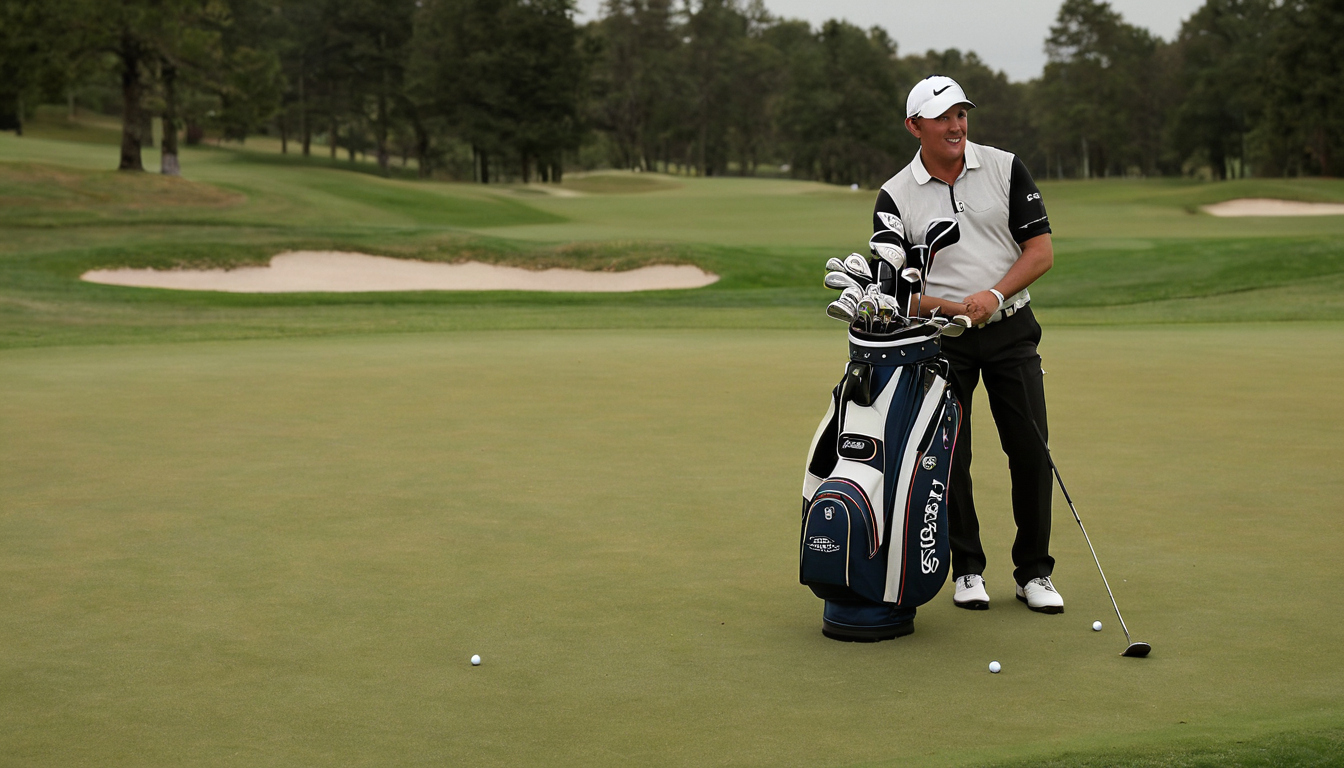
How much should a golfer spend on lessons, golf fitting, and custom fit golf clubs first shown as an editorial planning reference.
What is the safest workflow before buying custom fit golf clubs?
The safest workflow is to test current clubs, identify one primary miss, get either a lesson evaluation or fitting screen, then verify any change on the course before a full custom order.
- Record current specs: length, loft, lie, shaft model, shaft flex, shaft weight, grip size, and set gaps.
- Hit 5 to 10 playable shots per key club and write down real carry distance.
- Name one main miss, such as high right driver, pulled irons, thin wedges, or poor distance control.
- Get a lesson evaluation or fitting screen before choosing custom fit golf clubs.
- Test one category first: driver, irons, wedges, putter, or lie angle.
- Verify the change over a couple of practice sessions or rounds before buying more.
The golfer should bring current club specs and real carry distances to a golf fitting
Current club data prevents guesswork. Bring handicap range, common miss, normal course conditions, injury limits, and budget.
The golfer should test one equipment change before rebuilding the whole bag
One category can solve the highest-value problem. A full-bag fitting makes more sense after stable contact, clear gaps, and repeatable ball flight.
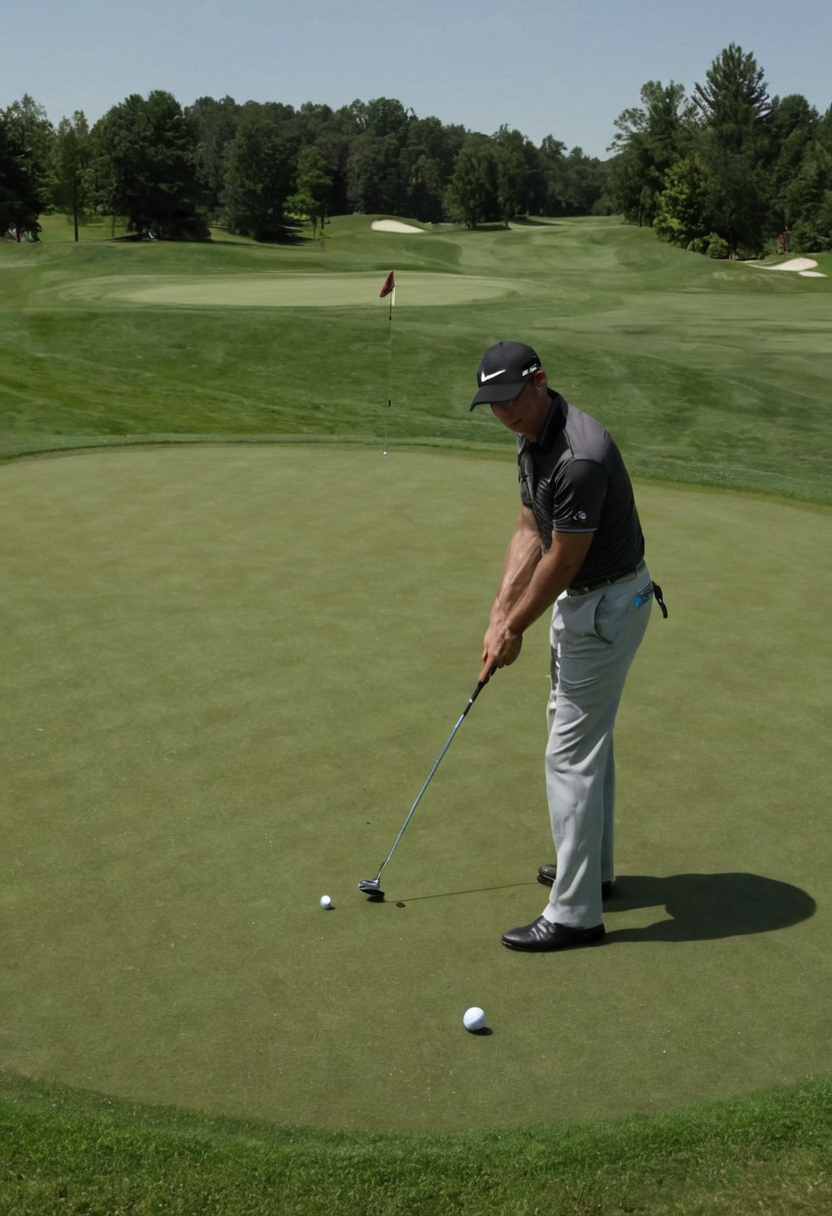
What is the safest workflow before buying custom fit golf clubs shown as an editorial planning reference.
When should beginners, juniors, and returning golfers delay a full golf club fitting?
Beginners, juniors, and returning golfers should delay a full golf club fitting when body size, swing speed, strength, practice frequency, or technique is changing quickly. A short-term spec check or starter set adjustment can protect money better than an expensive full custom order.
New golfers still need playable length, lie, weight, and grip size
Beginner golfers do not need perfect carry gaps before getting equipment help, but the clubs must be playable. A club that is too long, too heavy, too upright, too flat, or wrong-handed can teach poor setup habits.
Juniors and injured golfers need fit decisions based on current physical limits
Junior golfers may outgrow length, shaft weight, and set makeup quickly, so fit choices should match current height, strength, and speed. Returning golfers after injury, surgery, or a long layoff should favor comfort and control first.
How should a golfer verify whether lessons or golf club fitting actually worked?
A golfer should verify lessons or golf club fitting by tracking the same outcome before and after the change: strike pattern, carry gaps, start line, curve, dispersion, fairways hit, greens hit, and scoring tendency.
Driver success should be measured by playable dispersion, not only distance
Driver improvement means the shot pattern fits the holes the golfer plays. Track the widest left-to-right spread, the common miss, and how many drives finish inside a normal fairway-width corridor.
Iron success should be measured by carry gaps and green-stopping control
Iron improvement means each club has a dependable carry window and enough height, spin, and descent to hold greens. Better strike location, cleaner gaps, and predictable wedge distances matter more than one perfect launch monitor number. Spend the next dollar only after the course confirms the fix.
FAQ
Should I take golf lessons or get golf club fitting first?
Take a lesson first if contact, curve, and low point change constantly. Book golf club fitting first if you repeat centered contact and the same miss.
Is golf club fitting worth it for a beginner?
Golf club fitting can be worth it for a beginner when the clubs are clearly the wrong length, weight, lie, or grip size. A full-bag premium build can wait.